
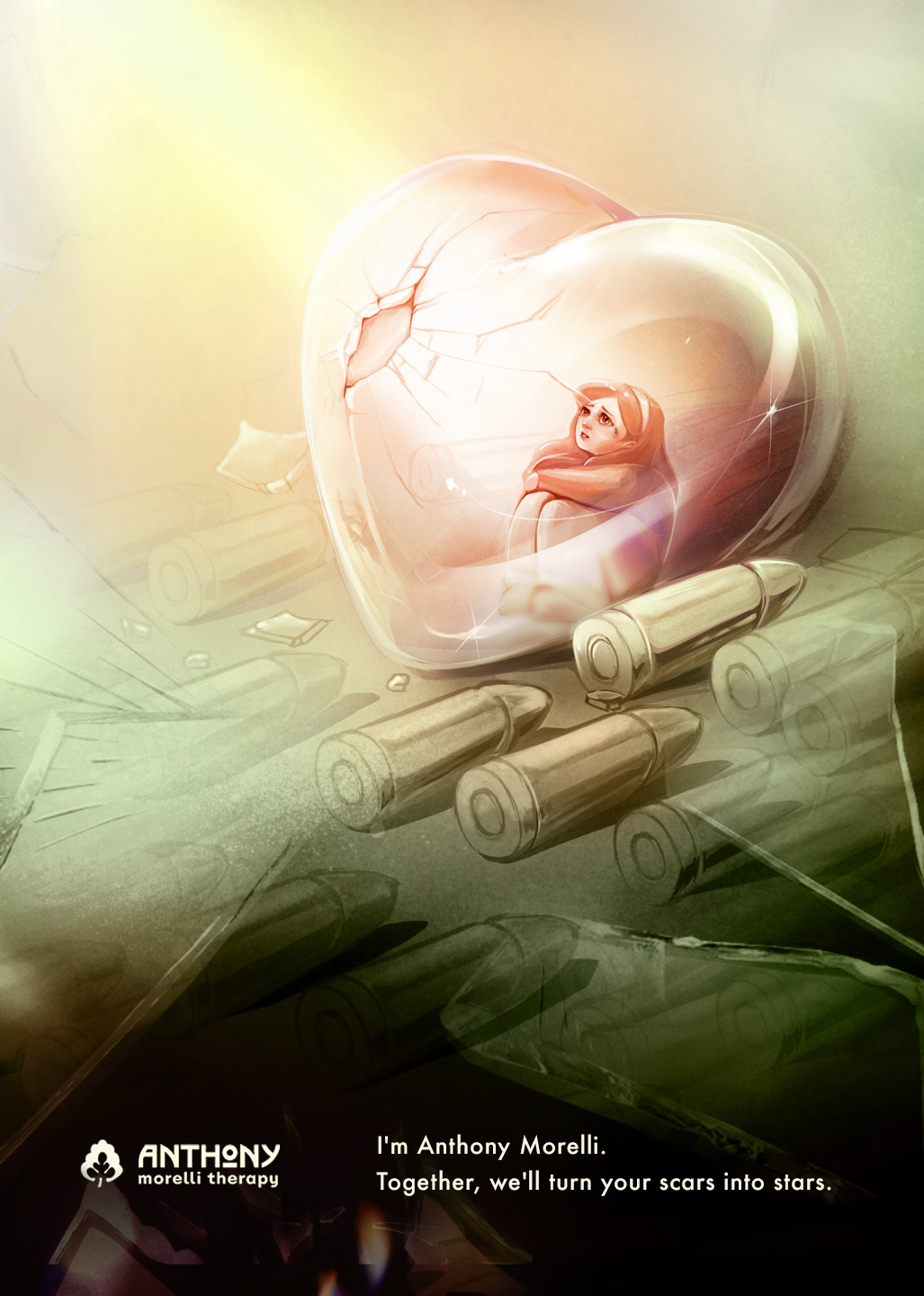
Gun Violence
Support for victims of gun violence
Gun-Violence Trauma Therapy with Anthony Morelli, LCSW
(Certified in Thanatology — Death, Dying & Bereavement)
Understanding the Impact
More than half of U.S. adults say they or a family member has been impacted by a gun-related incident, according to the Kaiser Family Foundation (2023) — a reminder of how widespread and personal this crisis has become. Whether you survived an event yourself, heard the gunfire, or lost someone you love, you are part of a reality shared by millions — and one that too often goes unspoken.
Gunfire doesn’t just take lives; it leaves echoes. Sometimes the sound fades quickly. Other times it lingers — in the body, in dreams, in the sudden quickening of the heart when a door slams. If you’ve lived through that moment, you know how hard it can be to feel safe again. Here, you don’t have to explain or defend your pain. Your story is real, and it deserves to be heard.
How Trauma Lives in the Body and Mind
People who have experienced gun violence often carry both visible and invisible scars. You may notice anxiety, irritability, difficulty sleeping, or a sense of detachment. Crowded places might feel unsafe; silence might feel too loud. The body remembers danger long after the threat is gone.
These reactions are not weaknesses. They are the nervous system’s way of protecting you from what it remembers. Understanding that truth is the first step toward relief. Once you can see your reactions as messages rather than failures, it becomes possible to listen to them — and to help the body and mind begin to trust the present again.
Working Together
As a clinical social worker, I focus on the whole person — your body, emotions, relationships, and the world you move through each day. Healing from trauma is not linear; it unfolds in phases and always at your pace. Our first task is safety. Depth and exploration come later, when your system feels ready.
In our sessions, we’ll work collaboratively to:
Build stability so your body can ease out of constant alert.
Explore the story of what happened and how it lives in you now.
Process emotion and sensation in ways that neither overwhelm nor numb.
Integrate meaning — helping your experience become one part of your life story, not the whole of it.
My approach draws on Gestalt therapy, mindfulness practice, and my background in thanatology — the study of death, dying, and bereavement. That work has shown me how grief and trauma often intertwine, especially when violence has taken someone’s life. Together, we can tend to both the shock and the sorrow: the moment that changed everything, and the ache that followed.
Because I believe therapy should remain within reach for everyone, we’ll discuss a fee structure that respects your circumstances.
Healing doesn’t mean erasing what happened. It means reclaiming the ability to live fully in the present — to move from surviving toward living.
From Survival to Living
Surviving was never meant to be the end of your story. With patience and steady support, the flashbacks soften, sleep returns, and trust in others — and in yourself — slowly rebuilds. The past remains part of you, but it no longer decides everything for you.
Over time, you may notice small, quiet changes: a morning that feels lighter; a laugh that comes without guilt; a walk that no longer requires scanning every sound. These moments are the signs of healing — evidence that life can once again hold safety, connection, and meaning.
Taking the First Step
The first step is simple: a conversation. No labels, no pressure — just an opportunity to talk about where you are and to see whether this work feels right for you.
You’ve already survived the hardest part. Now the work is learning how to live beyond survival.
I’m Anthony Morelli. If you’re ready to heal, I’m ready to help.
I employ a non-judgemental approach and utilize trauma-informed therapies (Sand Tray, Family Constellations, Gestalt, parts work, CBT & others) to create a nurturing, boundaries, and intentionally collaborative relationship with you. Because of this, you can honor, express, and explore challenges – and the grief that accompanies them – in ways that work best for you.