
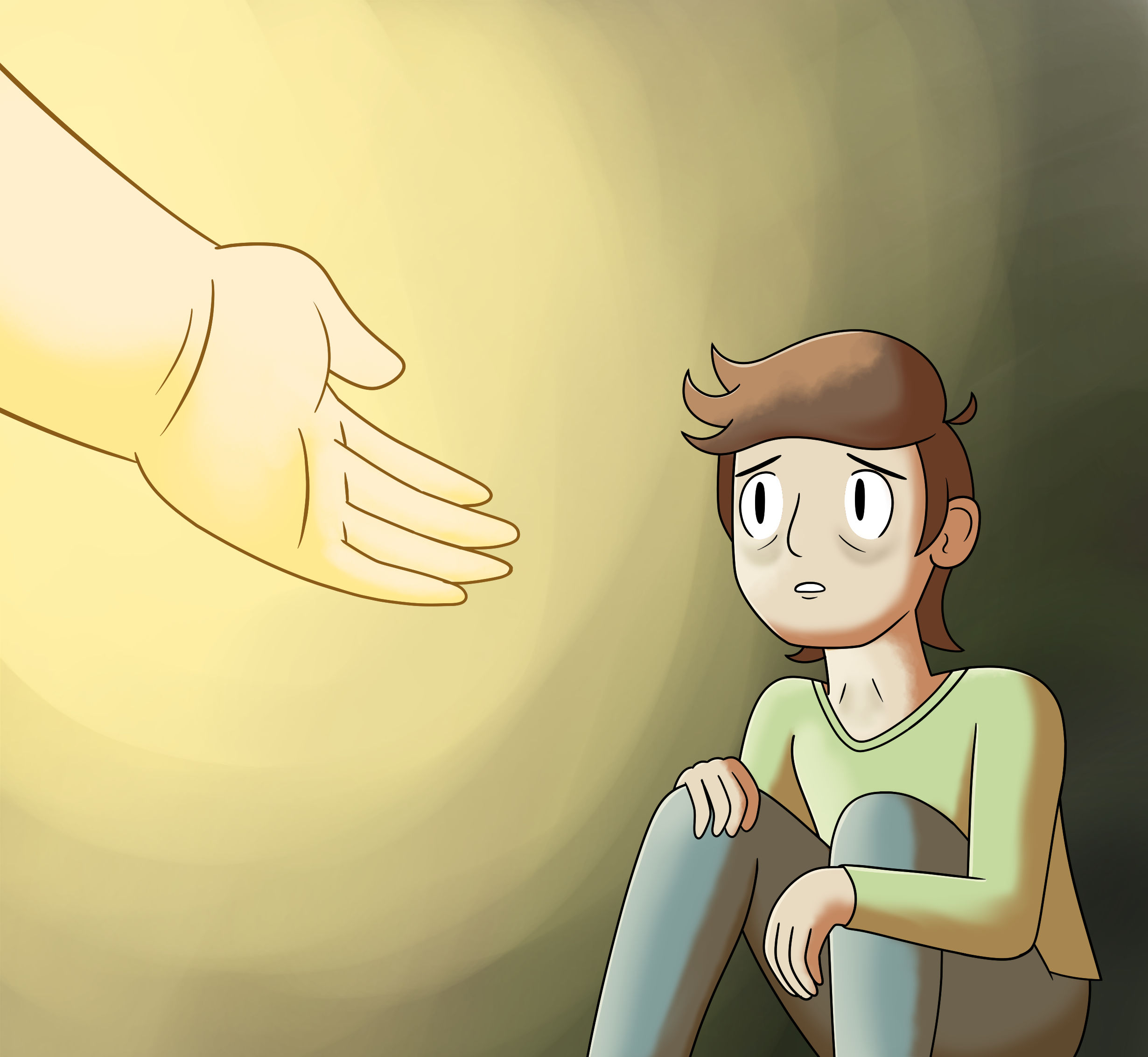
Trauma Recovery
Trauma is a word we hear often. It appears in headlines and casual talk alike, yet few of us pause to ask what it truly means.
In medicine, “trauma” refers to a visible injury — a broken bone, a wound that can be seen and measured. Emotional and psychological trauma, by contrast, often leave no marks on the body.
The pain lives inside, shaping how safe we feel in the world.
You might have endured abuse or violence, witnessed a frightening event, or lost someone dear to you.
Even years later, your body may still react as if danger were present — startling easily, scanning exits, or avoiding closeness.
If that sounds familiar, you’re not alone. Many people live with the lingering effects of trauma without realizing that their nervous system is simply trying to protect them from what it remembers.
How We’ll Work Together
As a clinical social worker, I focus on the whole person — mind, body, relationships, and environment.
Healing from trauma unfolds in phases and at your pace. Safety comes first; depth follows naturally once trust is built.
In our sessions, we’ll work slowly and collaboratively to:
- Create safety and stability, so your body can begin to relax its constant guard.
- Understand your story, including the losses that have shaped you and the strengths that kept you here.
- Process emotions and sensations, learning to notice them without being overwhelmed.
- Integrate your experience, allowing it to become part of your life story rather than the whole of it.
My approach draws on Gestalt therapy, mindfulness, and my background in thanatology, which deepens my understanding of grief, attachment, and renewal.
Because I believe therapy should remain within reach for everyone, we’ll discuss a fee structure that respects your circumstances.
Healing doesn’t mean forgetting or erasing the past. It means reclaiming your capacity to live in the present with greater ease and choice.
Moving Forward
Recovery from trauma is possible. With care, patience, and a relationship built on trust, the body quiets, sleep returns, and connection begins to feel safe again.
Over time, the past becomes something you understand rather than something that governs you.
The first step is simple — a conversation.
No labels, no pressure — just space to begin telling your story and to see whether this work feels right for you.
You can find steadiness again.
You can live in the world without flinching.
I’m Anthony Morelli. If you’re ready to heal, I’m ready to help.
I employ a non-judgemental approach and utilize trauma-informed therapies (Sand Tray, Family Constellations, Gestalt, parts work, CBT & others) to create a nurturing, boundaries, and intentionally collaborative relationship with you. Because of this, you can honor, express, and explore challenges – and the grief that accompanies them – in ways that work best for you.